Madonna and Child with Two Angels
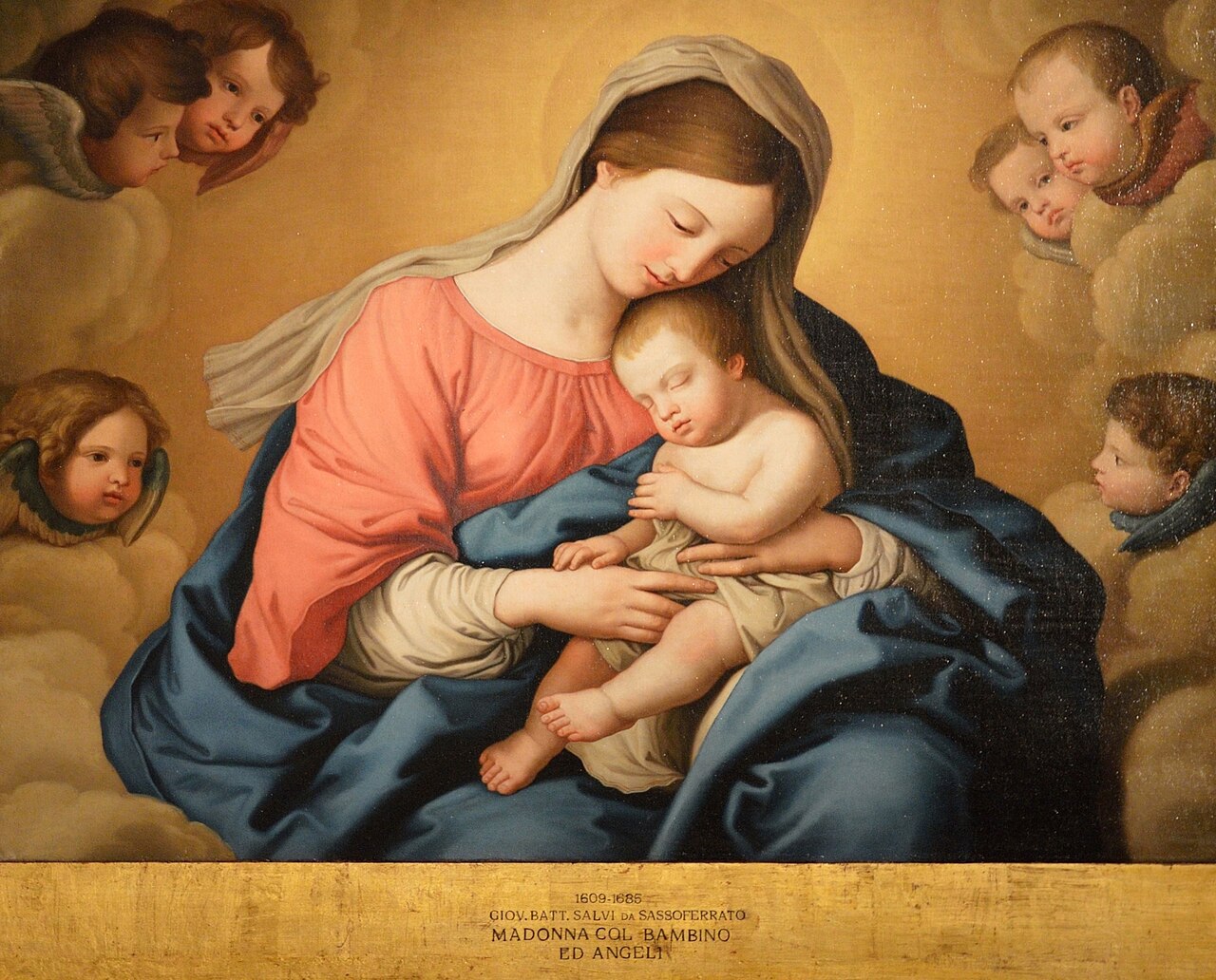
Artist: Fra Filippo Lippi | Medium: Tempera on panel | Year: circa 1465 | Location: Uffizi Gallery, Florence
Fra Filippo Lippi made this work in circa 1465, during the period of The Early Renaissance in Italy. It is tempera on panel, and it lives today in Uffizi Gallery, Florence. The period was one in which the italian renaissance began, in large part, as a revolution in how to paint the madonna, and this work belongs to that tradition.
The subject is the Madonna and Child, the most painted image in the history of Western art. In every age and every style, the Church has returned to this: a mother holding her Son, the human and the divine bound in one embrace.
A beautiful young mother, an impish child lifted by grinning angels, a real window behind. Lippi, a friar, painted Mary fully human and so taught his pupil Botticelli. Grace wearing a lovely human face.
What makes this work endure is not only its craft but what it asks of the person who stands before it. The tempera on panel is the vehicle; the lesson is the destination. Mary is shown here not as an abstraction but as a person, and the person she is points always past herself toward her Son. That is the consistent grammar of Marian art across eighteen centuries: she is never the end of the gaze. She is the direction of it.
Take a moment with this image. Let it do what it was made to do. It was not made to be admired from a distance. It was made to be prayed before.
Pause before this image. Let it do what it was made to do. It was not made to be admired from a distance. It was made to be prayed before.